Survive 7 Days On A Island Storms and Nights Survival
Keep fire, food, and shelter online when weather and darkness try to end your week.
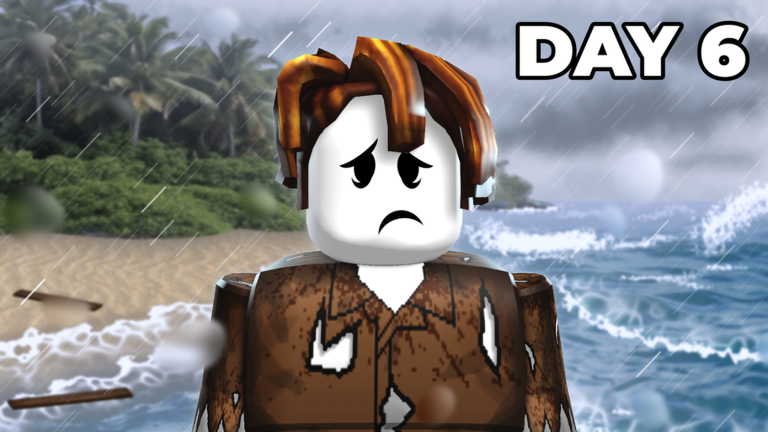
Storms and nights are where Survive 7 Days On A Island separates tourist lobbies from Survivor clears. The early Roblox experience from The The Studios (online co-op, max 20) still being worked on will keep tuning weather feel, but the discipline rarely changes: get home early, feed the flame, eat cooked food, and refuse optional greed when the sky turns. Use this page with Building Shelter and Common Mistakes.
Why weather wipes runs
Bad weather multiplies every other mistake. An unmanned fire becomes a black camp. A thin food buffer becomes starvation mid-fight. A half-built wall becomes a wind tunnel. Wolves that you could kite at noon become nightmare pathing in fog. Night alone already cuts vision; storms add pressure on fuel and morale.
Treat storms as scheduled exams, not random flavor.
Daylight prep checklist
Before afternoon turns ugly:
- Fuel cache — enough for a full rough night plus spare for rebuilds.
- Cooked buffer — more than peak overnight eaters in your lobby.
- Shelter walk — doors clear, windward wall patched, flame usable under cover.
- Recall plan — everyone knows the camp landmark and chat callout.
- Role card — fire lead, fish closer, builder on standby, wolf watch.
If any line fails, cancel the long Explorer loop. Getting Started still applies mid-week: heat and calories beat sightseeing.
Reading the sky and the clock
Exact art can change with patches, so trust trends:
- Darkening clouds and wind audio mean start walking home now, not after “one more wreck.”
- Low sun means fishing shifts should already be handoff-to-cook, not fresh cast marathons far from camp.
- If you are unsure whether a storm is “real,” assume it is and lose five minutes of loot instead of the run.
Personal rule that saves weeks: when in doubt, be early.
Fire doctrine during storms
- Keep a named owner on fuel even if the lobby is full.
- Stock fuel inside or under cover so rain trips do not empty the pile.
- Do not relocate the flame mid-storm unless the current spot is flooded or broken — relocation burns time you do not have.
- After the weather breaks, audit flame health before anyone leaves for wrecks.
Builder habits that support this live in Building Shelter, including the Builder badge path (30 structures) without vanity builds.
Food doctrine during nights
Night fishing is a classic wipe bait. Casts take longer when you cannot see wolves, and cooked reserves vanish when panic hits.
- Eat before the bar is critical so fights start fed.
- Cook in batches during calm windows; do not wait until the meter is empty mid-storm.
- Prefer Fishing and Food shoreline loops that stay near camp after Day 3.
Raw fish is emergency only. A cooked buffer is storm insurance.
Shelter checks that matter
Walk the perimeter at dusk:
- Can you see approaches, or did you wall yourself blind?
- Is there a fallback doorway for kite exits?
- Are decorative pieces blocking prompts or escapes?
- Would you trust this roof in heavy rain for a full night?
If the answer is no, patch now. Day 7 lockdowns in How to Survive 7 Days assume this audit already happened on Day 6.
Wolves in weather
Combat rules tighten when vision drops:
- Fight inbound threats near light; do not start Raider farms (50 wolves) in fog.
- Call every silhouette — false alarms beat silent deaths.
- Disengage into the doorway plan; open-field kites in rain get separated from healers and food.
- Fearless / Hunter progress is fine when surplus exists; storms are not surplus.
Full tactics: Wolves and Combat.
Shipwrecks and storms do not mix
Looter goals (5 shipwrecks) tempt players into night boats. That is how entire 20-player lobbies vanish. Sweep coasts after weather clears, with food and fire already stable — Shipwrecks and Loot.
Co-op storm protocol
Post in chat when the sky turns:
- “Storm — home now.”
- Fire lead confirms fuel.
- Fishers stop new far casts.
- Scout cancels wreck.
- Watch calls wolves only.
Role depth: Co-op Roles.
After the storm passes
- Relight or restock before celebrating.
- Recount cooked food.
- Repair the windward side first.
- Only then resume Explorer studs or badge side quests.
- Note anything that felt retuned and check Updates / Patch Notes — the place saw a Roblox update timestamp on 9 Nov 2026, so weather feel can shift between sessions.
Linking storms to the week plan
| Day focus | Storm habit |
|---|---|
| 1–2 | Learn curfew; never overnight away from flame |
| 3–4 | Grow fuel and food buffers |
| 5–6 | Full perimeter audit before Day 7 |
| 7 | Absolute lockdown — see win guide |
| 8+ Veteran/Legend | Treat camp like an outpost economy |
Use the Day-by-Day Walkthrough for calendar pacing and the mid-article walkthrough video when you want a visual full clear.
Mindset
Storms are not the enemy of fun — they are the exam for whether your lobby actually built a survival system. Pass the exam with boredom: early returns, fat fuel piles, cooked fish, patched walls, quiet chat. That boredom is how Survivor, then Veteran (14) and Legend (30), stop being lottery tickets.
Frequently Asked Questions
Quick answers for island survival, codes, and badges.
When should I start returning to camp?
As soon as the sky or clock looks questionable. Being early costs loot; being late costs the run.
Should I fish during storms?
Only short, camp-adjacent casts to maintain a buffer — and only if fire and watch are staffed. Far night fishing is a common wipe.
What do I check on shelter before night?
Windward cover, clear doors, usable flame under roof, and a kite doorway. Patch weak sides before dark.
Can I loot shipwrecks in bad weather?
Wait until weather clears and camp systems are stable. Night wreck greed wipes full lobbies.
Do patches change storms?
They can. Re-audit fire, food, and timing after deploys and skim the Updates hub when sessions feel different.