Survive 7 Days On A Island Tools, Gear & Structure Priorities
What to craft, carry, and upgrade first so fire, food, and storms stay under control.
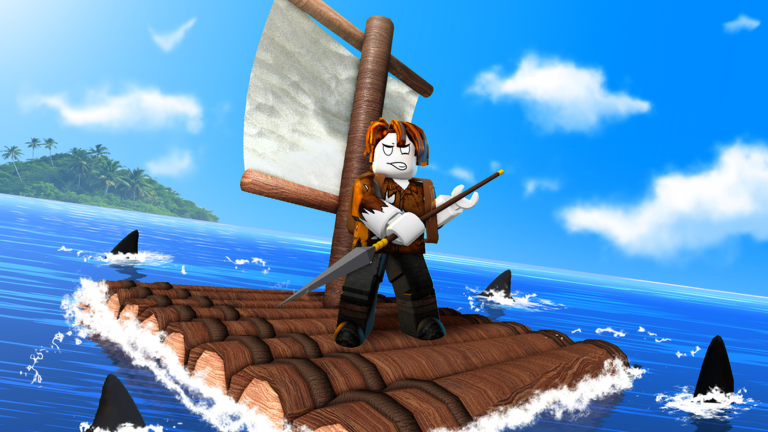
Gear in Survive 7 Days On A Island should serve the survival loop, not a collector checklist. This early Roblox experience from The The Studios is still being worked on, so exact craft trees can shift — we stay grounded in roles you can observe in play: fishing rods, cutting tools, weapons, fuel/fire gear, and structures. No invented item IDs, no fake damage numbers.
Pair this page with Survival Priorities and the parent Tier List Hub.
How to read these tiers
- S-tier gear roles — Without them, days collapse.
- A-tier — Multiplies safe play and badge speed.
- B-tier — Comfort and efficiency after the camp works.
- C-tier — Flex, duplicates, or situational toys.
If a patch renames a tool, keep the role — the ranking still applies.
S-tier: fishing rod role
A working rod is your calorie engine. Fisher badge (50 fish) is the long side quest; tonight’s cooked buffer is the main quest. Priorities:
- Keep at least one reliable rod in the active party at all times.
- Fish in short loops that end at the cook fire — raw piles are not safety.
- Replace or repair rods before a storm window if durability is visibly low.
- In co-op, designate a primary angler so six people are not fighting over the same rock.
Skip exotic sightseeing until the rod-fed pantry can cover a night plus a rebuild. That is the same S-tier logic as the hub’s cooked fish buffer rank.
S-tier: cutting tool / axe role
Shelter and fuel both drink wood. An axe-style tool (or whatever cutting implement the build currently uses) sits in S-tier because cold camps and roofless frames share the same root cause: not enough processed material when weather hits.
Habits that matter:
- Cut in daylight near camp first; long timber marches are B-tier once stockpiles exist.
- Drop fuel beside the pit, not halfway across the beach.
- Feed Builder badge (30) by finishing storm shells before decorative pieces.
If the lobby owns only one cutting tool, that player’s pathing is a raid-critical route — protect them like you protect the flame.
S-tier: fire kit and fuel handling
Whatever lets you light, relight, and feed the campfire is sacred. Carry the means to recover from a gust wipe. Store a visible fuel cache. Teach new joiners where the pile lives so a fresh player does not “help” by wandering off with the last logs.
Night play without a recovery plan is how Fearless badge attempts become ordinary wipes.
A-tier: weapons for wolves
Weapons matter once you choose fights. Hunter (20 wolves) should not be attempted with fists and empty stomachs. A-tier rules:
- Equip before dusk if wolf pressure is rising.
- Fight with fire at your back and food in inventory.
- In co-op, stagger attackers so someone can break aggro toward shelter.
- Do not spend the entire day polishing weapons while the roof still leaks.
Exact weapon names may change while the experience is tuned; the readiness checklist does not.
A-tier: storm-ready structures
Think in modules, not mansions:
- Core shell — walls + roof over fire and sleep space
- Fuel annex — dry storage adjacent to the pit
- Cook access — room to stand without blocking emergency exits
- Watch gap — a line of sight for night wolf calls
Builder progress should tick while finishing these modules. Raider and Looter runs become safer when the shell already exists, because deaths cost less permanent progress.
A-tier: light and vision aids
Anything that preserves vision during storms or night transitions punches above its weight. If the game gives you lamps, torches, or HUD helpers tied to fire, treat them as part of wolf readiness. Exploring dark ridges for Explorer (5000) without light discipline is how B-tier travel becomes a C-tier rescue mission.
B-tier: secondary rods and spare cutters
Duplicates shine in 20-player servers. A spare rod keeps Fisher progress alive when the main angler is rebuilding walls. A spare cutter lets two timber runs happen after a destructive gale. Park spares on racks or clearly marked camp tiles so they are not “borrowed” into the ocean.
B-tier: mobility and pack space
Bags, faster traversal tools, or anything that shortens wreck routes are B-tier multipliers. They do not replace food. Use them to tighten shipwreck timing after storms — Looter (5 shipwrecks) loves short, repeatable circuits.
B-tier: repair materials on belt
Carry a small repair kit worth of resources when you leave camp. A broken rod on a distant beach without sticks is an avoidable disaster. This is especially true on Veteran and Legend attempts where one stranded player can tilt the whole lobby’s morale.
C-tier: vanity builds and trophy piles
Statues, oversized empty halls, and loot museums are fun after Survivor. Before that, they are material sinks. Likewise, hoarding every wreck trinket in the open invites chaos when new players join mid-storm.
C-tier: redundant weapon collections
One solid fight loadout beats five half-repaired spares scattered in dunes. Consolidate. Label. Share.
Suggested loadouts by role
Fire tender
- Fire recovery tools
- Nearby fuel knowledge
- Basic self-defense only
- Authority to yell when others leave the pit cold
Angler
- Best available rod
- Short path to cook fire
- Food count callouts
- Optional spare rod at camp
Builder
- Cutting tool
- Structure plan for shell → annex → watch gap
- Refusal to start décor early
Scout / wreck runner
- Weapon for wolf contacts
- Mobility / pack space
- Strict return timer tied to weather
- Knowledge of Official Links only helps outside the match — in-match, knowledge of coastline does
Floater in full lobbies
Rotate into gaps. The best 20th player is the one who notices the flame while others argue about wrecks.
Upgrade order when resources are tight
- Rod reliability for calories
- Cutter + fuel throughput
- Shelter completeness
- Weapon readiness
- Spares and mobility
- Vanity
That order mirrors S→C thinking on the hub. If a patch makes a tool cheaper or costlier, reshuffle inside the same ladder rather than inventing a new philosophy.
Badges that track gear discipline
- Fisher (50 fish) — rod uptime and cook discipline
- Builder (30) — structure modules finished, not spam props
- Hunter (20 wolves) — weapons + fire + food together
- Looter (5 shipwrecks) — mobility and timing, not naked swimming
- Survivor / Veteran / Legend — all of the above sustained
Details for each award sit on Badges. Gear tiers exist so those badges happen without suicidal shortcuts or unverified scripts.
Early-experience caveats
Because the game is still receiving content, a tool’s craft location or durability curve may change. When something feels broken, check Known Issues and Patch Notes before assuming you “fell off meta.” Prefer roles over rumored best-in-slot names from unverified videos.
There are no confirmed promo codes that skip gear grind right now either — plan as if your rod and axe must be earned.
Practical session checklist
- Rod assigned and tested with a cook cycle
- Cutter fed a fuel pile beside the flame
- Shelter modules cover sleep + fire
- At least one weapon ready before night
- Spares labeled if lobby is large
- Wreck kit includes return food
- No vanity spend until Survivor pathway is stable
Follow the checklist and tools stop feeling random. They become the hardware layer under the day-by-day plan — exactly what an island survival run needs while Survive 7 Days On A Island keeps evolving on Roblox.
Frequently Asked Questions
Quick answers for island survival, codes, and badges.
What tool should I prioritize first?
The fishing rod role for calories, then a cutting tool for fuel and shelter. Fire recovery gear sits in the same S-tier band.
When do weapons become important?
As an A-tier upgrade once camp food and shelter are stable. Equip before intentional wolf hunts, not instead of building a roof.
Do you list exact item IDs or damage stats?
No. The experience is early and still being tuned. We rank durable roles — rod, cutter, fire kit, weapons, structures — so advice survives renames.
How should builders spend materials?
Core shell, fuel annex, cook access, then watch sightlines. Decorative builds are C-tier until Survivor fundamentals hold.
Are duplicate tools worth it?
Yes in fuller co-op lobbies. Spare rods and cutters are B-tier multipliers that keep Fisher and rebuild speed alive after storms.